The scream comes first.
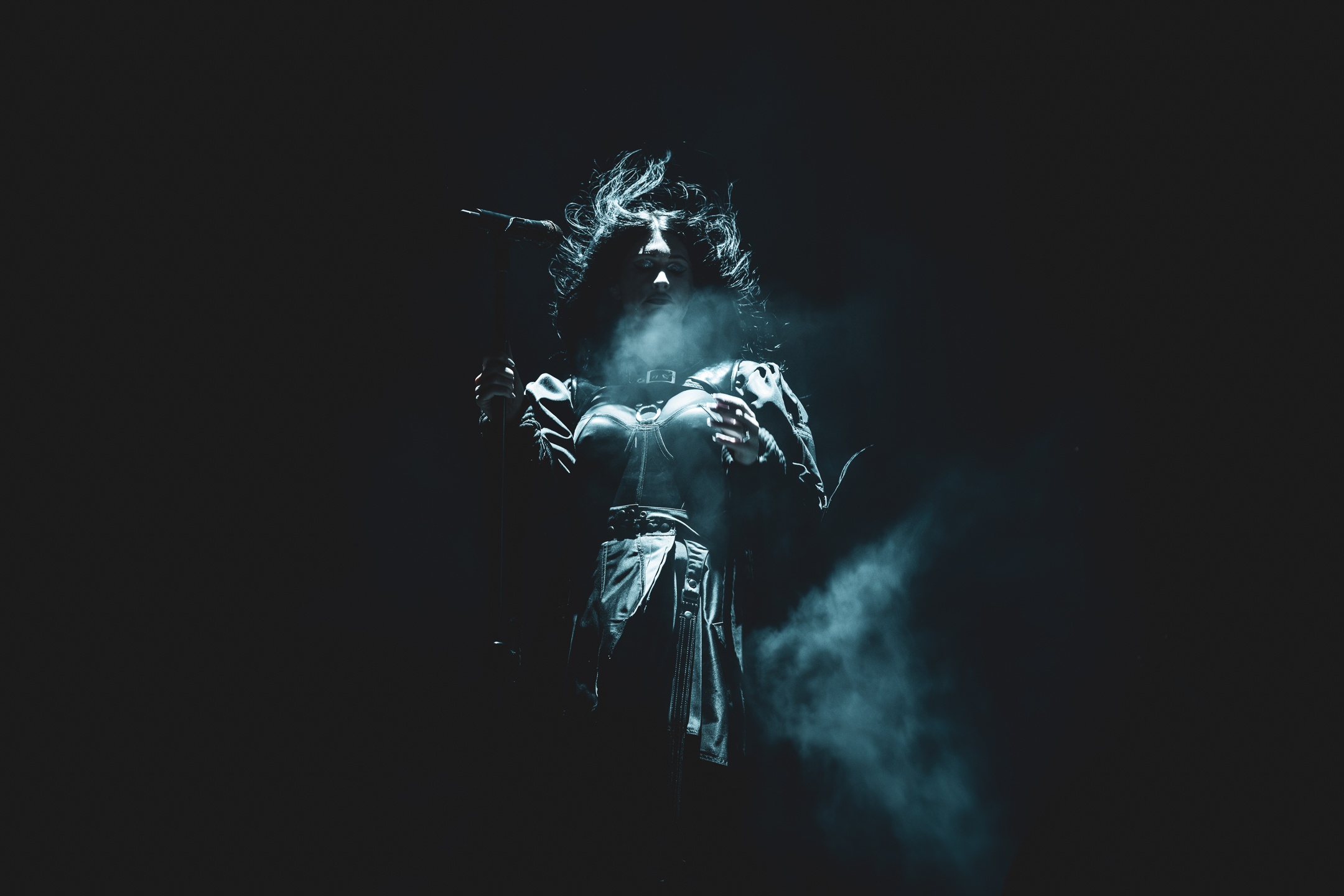
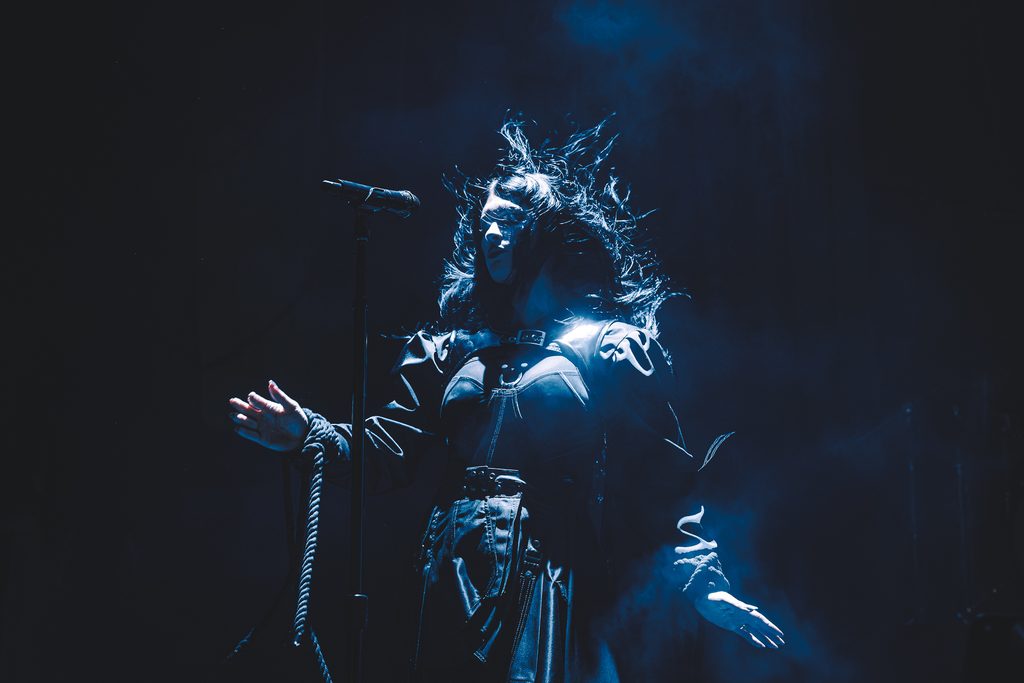
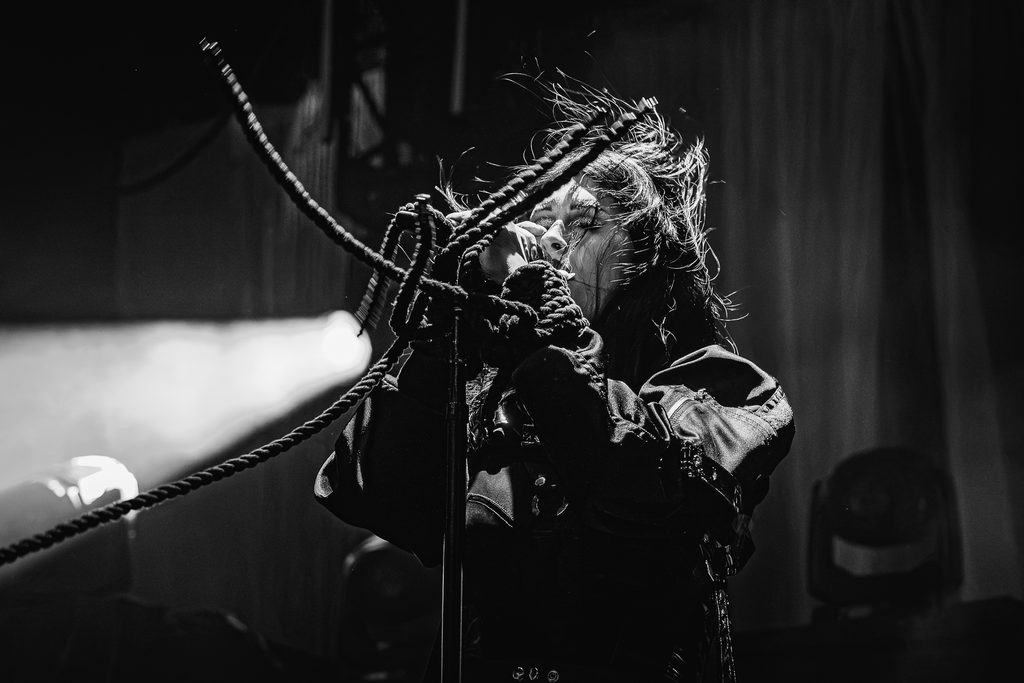
The curtain is still hiding the stage, but behind it giant silhouettes of the band sway in the darkness, teasing what is about to happen. Then the fabric drops, the lights hit, and SPIRITBOX erupts into the first song with Courtney LaPlante standing in front of a draped crucifix, a black rope in her hands.
Subtle? Not exactly.But subtlety was never really the point.
There is something almost surreal about watching Spiritbox at this point in their career. Not that long ago, they were one of those bands you felt you had discovered before everyone else. Now they are headlining arenas, commanding a production that looks more like a theatrical spectacle than a metal show, and playing to a crowd that has come out in numbers to witness the next chapter of their rise.And judging by the reaction, people are very much ready for it.
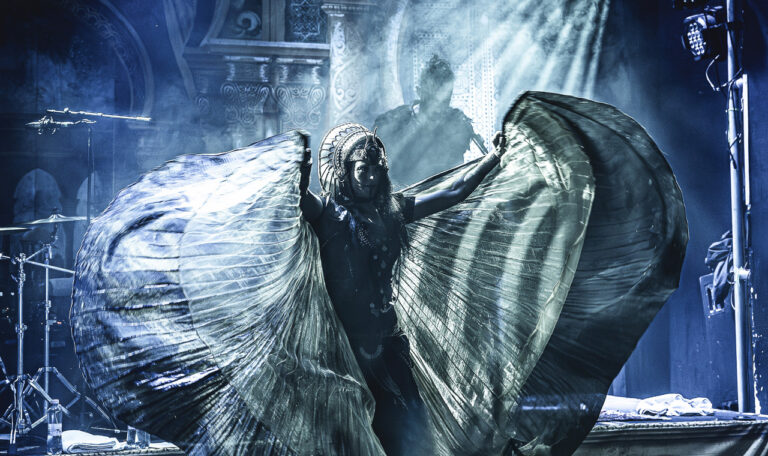
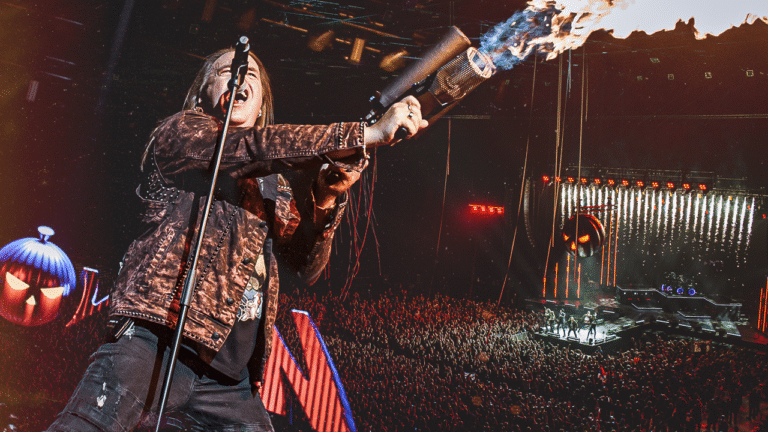
The Tsunami Sea tour finds Spiritbox moving through European arenas with Dying Wish and Jinjer in support. All three bands are fronted by women, and the crowd is noticeably more female than the usual metal-show demographic. It is one of those details you notice early and keep noticing throughout the night.
Dying Wish open as though the audience has already agreed to pay attention. Emma Boster switches between harsh and clean vocals while smiling through the whole thing, as if she has been handed a room full of strangers and intends to win them over by force of personality. There is no tentative introduction here. They play like attention is something they are entitled to, and by the time “I’ll Know You’re Not Around” arrives as the finale, they have made a convincing case for themselves.
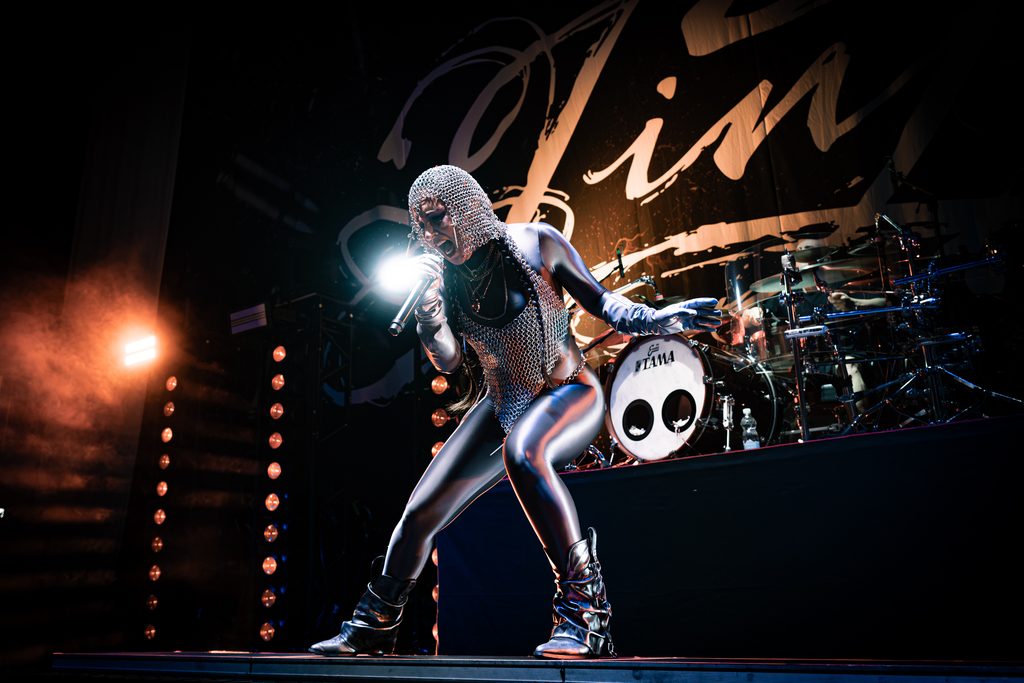
Jinjer take a very different approach: they throw everyone straight into the deep end. “Perennial” and “Pit of Consciousness” arrive without much breathing space, and suddenly Tatiana Shmayluk is moving between notes that seem to come from completely different people. The band behind her is locked together with almost unnerving accuracy, yet Tatiana keeps introducing little flashes of unpredictability into the middle of it, making the whole thing feel less settled than the playing suggests.
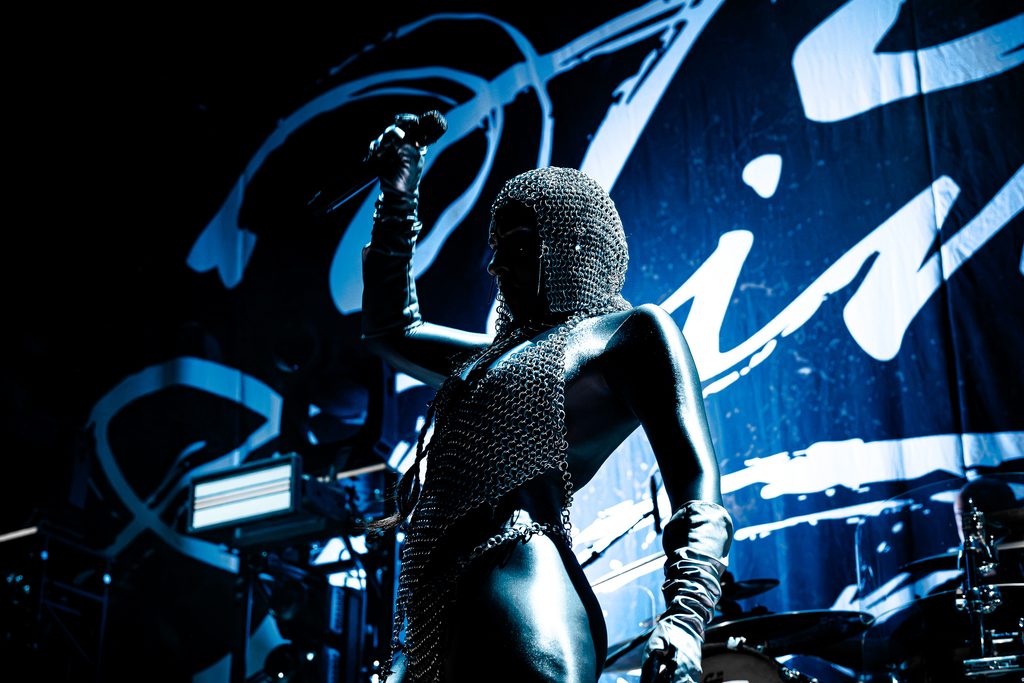
“Pisces” remains the moment that changes the temperature in the room. The reaction is immediate, and closing with “Pisces” into “Duél” gives the set a satisfying final surge.
Then Spiritbox return the curtain to the stage. If Jinjer make the room feel like it could shift beneath your feet, Spiritbox build their show around control. The opening silhouettes are only the beginning. LaPlante spends the first song beneath that crucifix, then gradually takes possession of the entire stage, crossing it with an ease that makes the arena feel smaller. She can go from a clean melody to a full-throated scream without breaking the physical rhythm of the performance. There is no hesitation in her now; she knows exactly when to move forward, when to hold still and let the audience come to her.
Eight of the eleven songs from “Tsunami Sea” appear in the set, making the whole thing feel like a final lap for this chapter of the band. “Circle With Me” and “Holy Roller” are the only songs from “Eternal Blue”, while “Mourning” closes the night.
The only real problem is that the show reveals some of its best cards too early. It is like watching a thriller where the director cannot resist showing you the crucial photograph halfway through. The remaining scenes can still be excellent, but some of the tension has already been spent.And there is one absence that lingers.

The curtain falls. The silhouettes disappear.The Tsunami Sea era is already beginning to feel like something that belongs to the past, even as its songs are still ringing in the ears.Spiritbox have spent years moving towards this size of room. Now that they have arrived, the more interesting question is what they will build next.